
Team
International team, strong in analytics
KYOS software is built on knowledge, skill and commitment of our team. To reach this, KYOS employs a talented team of quantitative developers and IT programmers. Almost all finished one or more relevant MSc. in Mathematics, Econometrics, Finance or Physics, and a large percentage holds a PhD.
Our products and services add value. KYOS’ software and advisory services contain state-of-the-art modelling techniques, and they are primarily developed to make work easier. Our developers have worked in energy trading companies and therefore realize what the specifications of a good product are. It is our core strength to translate a sound analytical approach into a useful service.
Our head office is in Haarlem, The Netherlands, about 20 km away from Amsterdam.
For the Japanese market, we have MPX, a joint venture with Mitsubishi Research Institute (MRI) based in Tokyo.
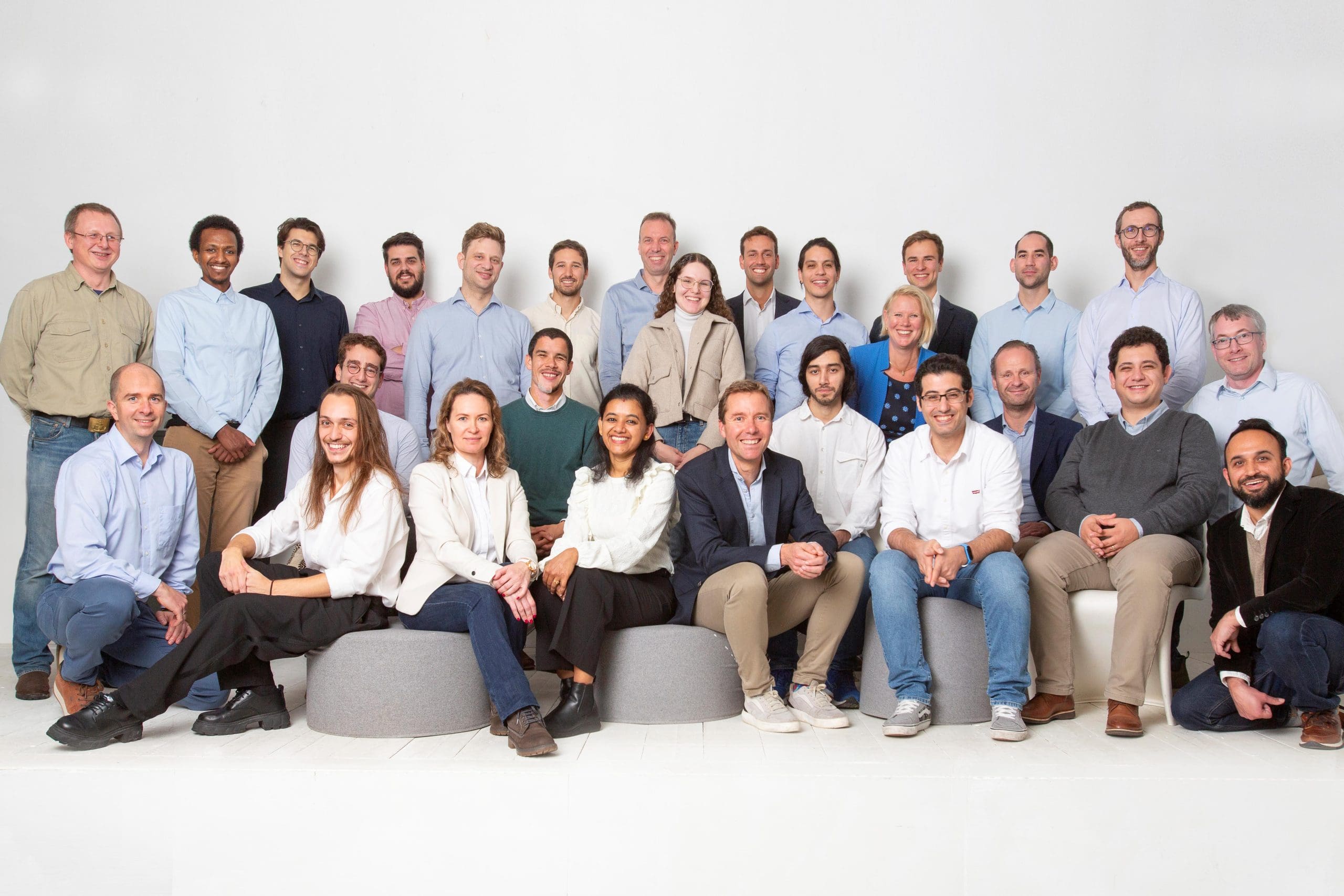
Commercial Team
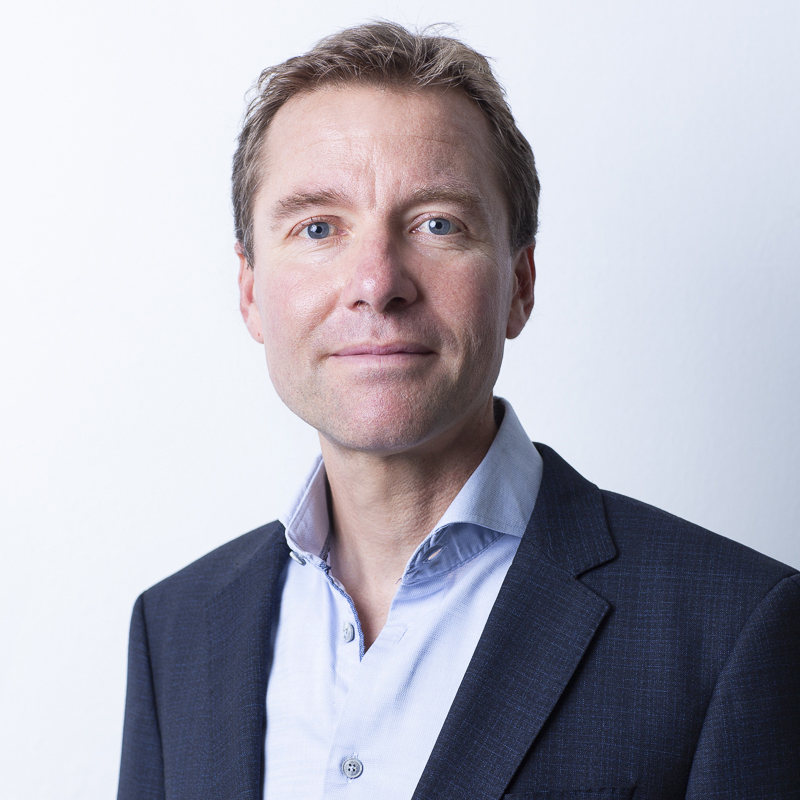
Cyriel de Jong
Founder and Director at KYOS
Cyriel de Jong has been working as an advisor for the energy industry since 2001. Until 2006, he combined this with a position at Erasmus University Rotterdam.
For the major companies in Europe, Cyriel has led a great number of projects related to energy market valuation, risk management, trading strategies and investment analysis. He is particularly active in price modelling, financial methodologies to value energy assets and contracts, and in stochastic optimization.
Cyriel completed his MSc. in Econometrics at Maastricht University, and finished his Ph.D. on financial derivatives at Erasmus University Rotterdam in 2003.

Hans van Dijken
Director at KYOS
Hans van Dijken has been working in the energy industry since 2001. He joined KYOS after having worked in the trading, risk management and business development departments of Reliant Energy and Nuon Energy.
He has done various projects related to risk management and investment analysis, both for the power and the gas sector. Hans’ activities mainly focus on dispatch optimization and hedging strategies for power stations, combined with portfolio and risk management for commodity portfolios.
Hans completed his MSc. in Business Administration at the University of Twente in 1998.
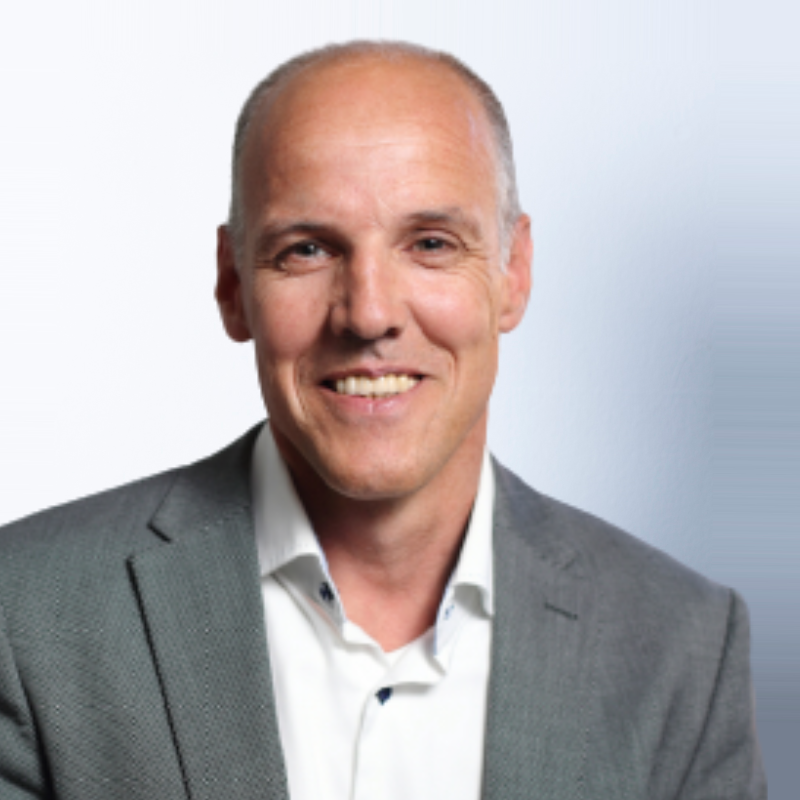
Richard Cornielje
Commercial Manager corporate customers at KYOS
Richard Cornielje has a long history in advisory and sales activities on FX, Rates and Commodities. Within ABN Amro, Richard was head of the Dutch Corporate Treasury team and responsible for all FX and Rates sales.
From 2005, he was director for Western European Commodity Sales within ABN Amro and later RBS. Within KYOS Richard advises corporate customers on commodity risks and commodity exposures. Furthermore Richard is leading the sales of KYOS CTRM, our commodity trade and risk management system for corporate customers.
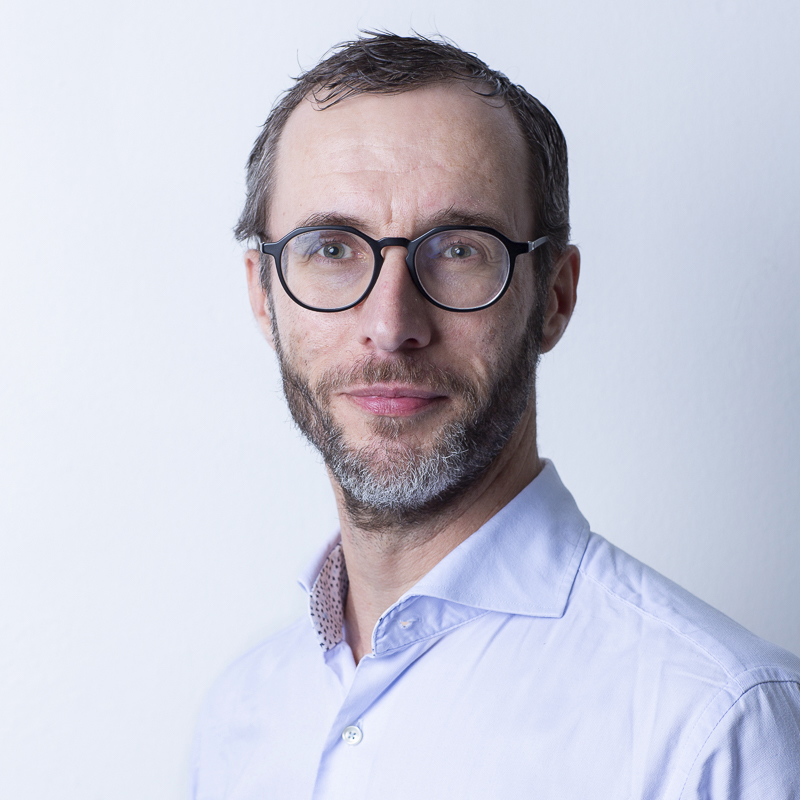
Ewout Eijkelenboom
International Sales Manager
Ewout Eijkelenboom is our International Sales Manager. He focuses on developing our business initiatives in the energy sector.
Prior to KYOS, Ewout worked at Stogas, Brazil as the Commercial Director. He was in charge of developing commercial activities for this underground natural gas facility. Before this he worked at E-On for ten years, first in the Netherlands and later in Germany.
Ewout holds a Master’s Degree in Applied Physics (2001) from the Technical University in Delft.
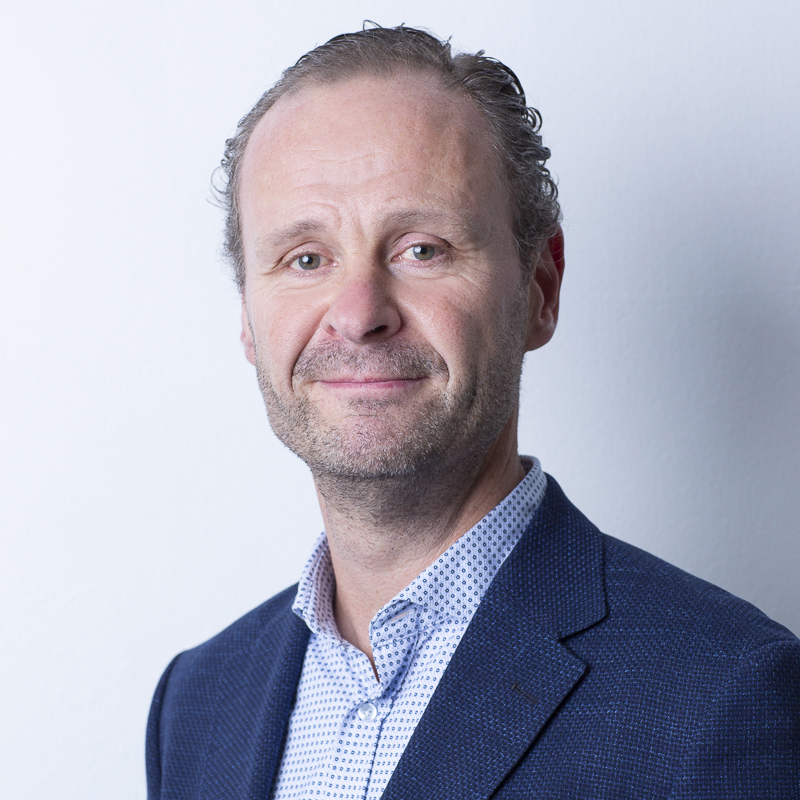
Steven Verbeek
Senior Consultant
Senior Consultant Steven Verbeek has 25+ years of commercial experience as general manager, trading manager, trader, buyer and risk manager in the energy and agricultural industries.
During that time, he gained exposure to a wide range of industries and products, including energy, agricultural products, biofuels/biomass, fossil fuels, freight & logistics, steel, metals and iron ore, currencies and equities.
Steven holds a Master’s Degree in Financial Econometrics (1995) from the Erasmus University in Rotterdam.
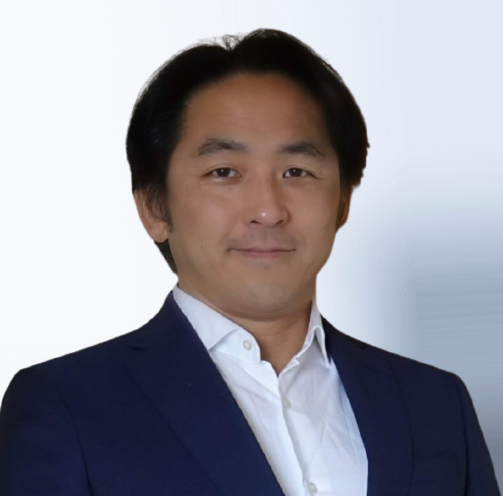
Hiroshi Ishiguro
New Business Developer
For the Japanese market, Hiroshi Ishiguro is our representative. His aim is to develop solid relationships with existing and new clients, next to identifying new opportunities for new products and services for this market.
While living in Japan, he worked privately as data analyst for a housing corporation in Tokyo. He has lived in several countries in Europe and has experiences in multi-corporate business matching, start-ups and trading as a trading company.
Hiroshi holds a Master’s Degree in Material Science from Tokyo Institute of Technology (1997).
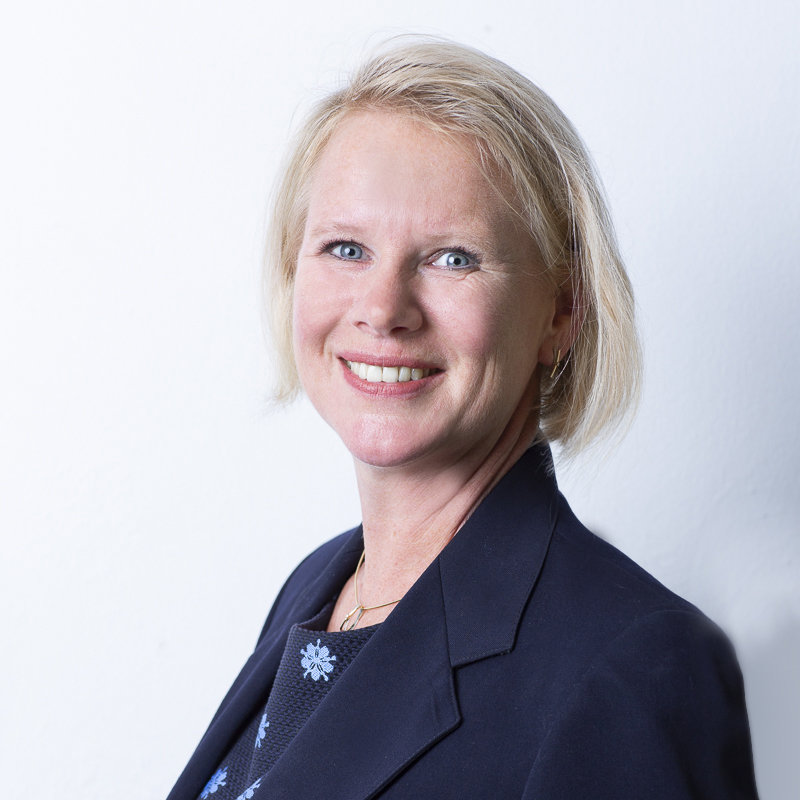
Marieke Diesnis
Marketing Manager
Our Marketing Manager is Marieke Diesnis. She strives to create engaging campaigns to market our products and services.
Together with the rest of the team she develops marketing materials such as brochures, e-mail messages, web posts and our monthly newsletters. In addition she looks after our social media presence and organizes webinars, seminars and tradeshows.
Marieke has a MA in European Business Administration (1997) from the Northumbria University in Newcasltle-upon-Tyne (UK).